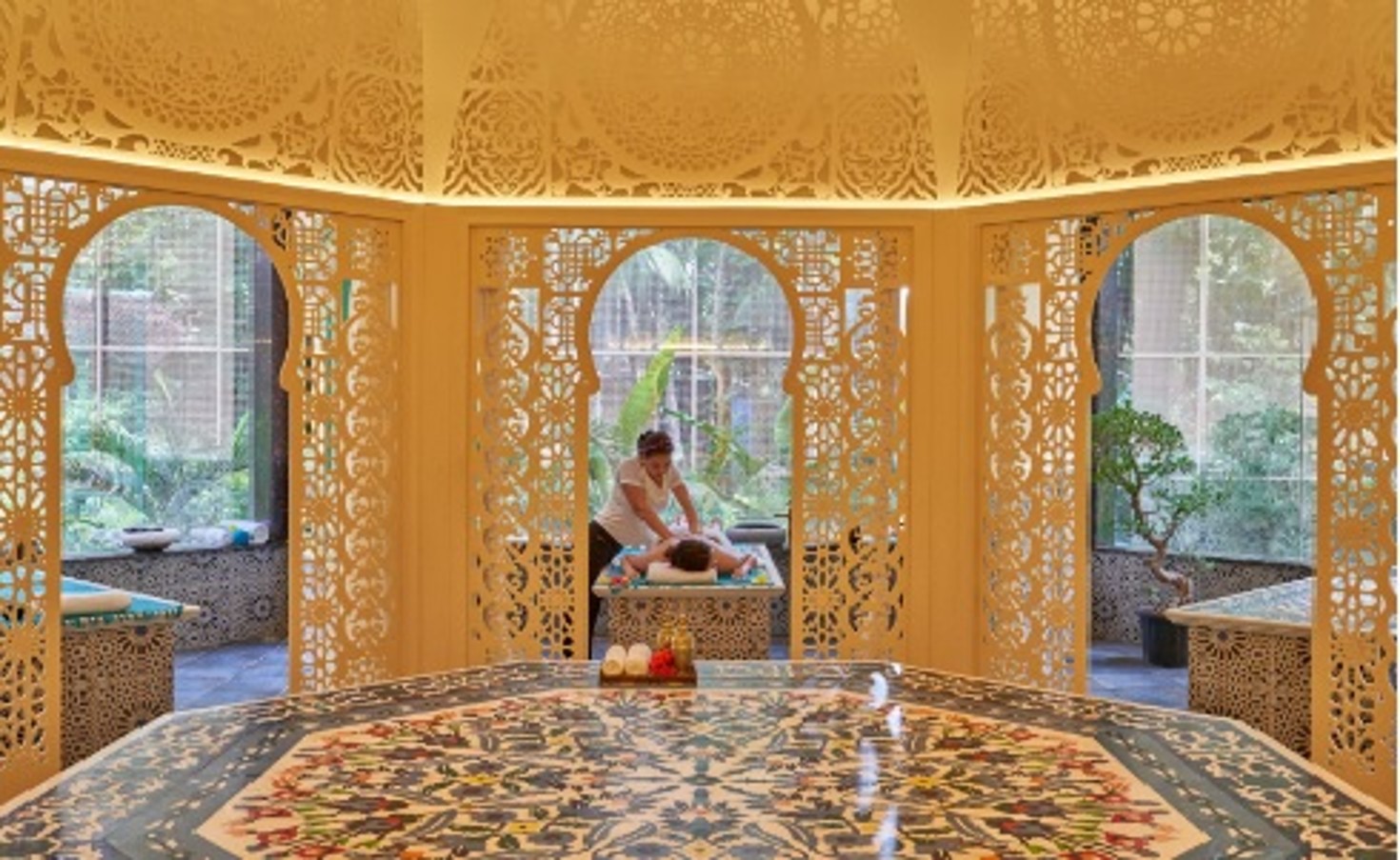
The Cultural Meaning of Spa Wellness in East Asia
Introduction: More Than Physical Relaxation
Spa culture in East Asia is not only about comfort or luxury—it is deeply connected to history, tradition, and philosophy. In Korea, Taiwan, Macau, and Hong Kong, wellness practices come from centuries of healing knowledge combined with modern lifestyle demands. This creates a unique spa culture that goes beyond physical treatment and enters the world of balance, energy, and harmony.
South Korea: Social Wellness and Balance of Life
In South Korea, spa culture is strongly linked to both social life and health balance. The traditional jjimjilbang is not just a bathing facility, but a cultural space where people gather, rest, and reset their energy.
Key cultural elements include:
- Community-based relaxation spaces
- Hot and cold bath therapy traditions
- Herbal steam rooms for detoxification
- Beauty rituals connected to self-care
Korean spa culture reflects the belief that maintaining outer appearance and inner health must go together.
Taiwan: Harmony with Nature and Traditional Medicine
Taiwan’s spa culture is deeply influenced by Traditional Chinese Medicine and natural healing philosophies. The idea of restoring balance within the body is central to most spa treatments.
Common cultural practices include:
- Herbal compress and oil therapy
- Hot spring bathing as a natural healing ritual
- Energy-balancing massage techniques
- Foot reflexology linked to body health systems
Taiwan emphasizes harmony between human health and natural environments, especially through its famous hot spring culture.
Macau: Luxury as a Modern Expression of Wellness
Macau represents a modern interpretation of relaxation, where wellness is combined with luxury tourism. While it may not rely heavily on traditional healing, it focuses on comfort and sensory experience.
Cultural characteristics include:
- Private and exclusive spa environments
- Luxury hospitality-driven wellness design
- Aromatherapy influenced by global wellness trends
- Relaxation as part of high-end travel culture
Macau shows how wellness can evolve into a symbol of modern luxury lifestyle.
Hong Kong: Efficiency and Urban Stress Relief
Hong Kong’s spa culture is shaped by its fast-moving urban environment. Wellness here is often about quick recovery rather than long rituals.
Key features include:
- Short but effective massage sessions
- Reflexology as a daily stress relief method
- Integration of wellness into busy schedules
- Modern clinics combining beauty and health care
Hong Kong reflects the idea that wellness must adapt to city life without losing effectiveness.
Conclusion: A Shared Philosophy of Balance
Although Korea, Taiwan, Macau, and Hong Kong have different approaches, they share a common foundation: the pursuit of balance between body, mind, and environment.
From Korea’s social wellness spaces to Taiwan’s natural healing, Macau’s luxury comfort, and Hong Kong’s fast urban recovery, each blackparkspa region reflects a different interpretation of the same human need—restoration and harmony in everyday life.
Добавить комментарий